A physical fence and a Pet Stop dog fence solve the same problem in different ways, and each one wins at something. Here is the honest version, from a company that installs one and reinforces the other every week.
About a third of the people who call us already have a fence. It failed, the dog got out anyway, or it never covered the part of the yard they actually needed. So we are not here to tell you a fence is a bad idea. Sometimes a physical fence is the right call, and when it is, we will tell you that at the estimate. Most of the time, though, there is a better fit, and often it works alongside the fence you already have.
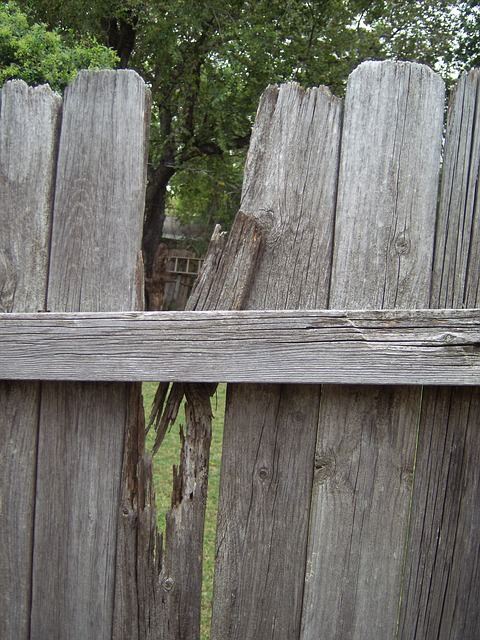
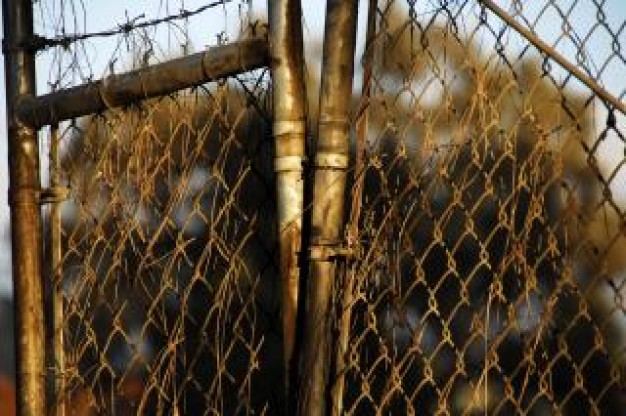
No system does everything. Here is what a physical fence does better, and what a Pet Stop system does better, laid out plainly so you can weigh it against your own yard and your own dog.
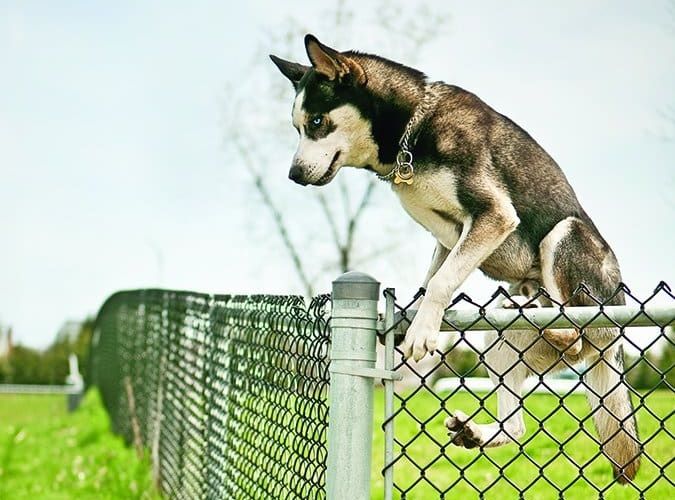
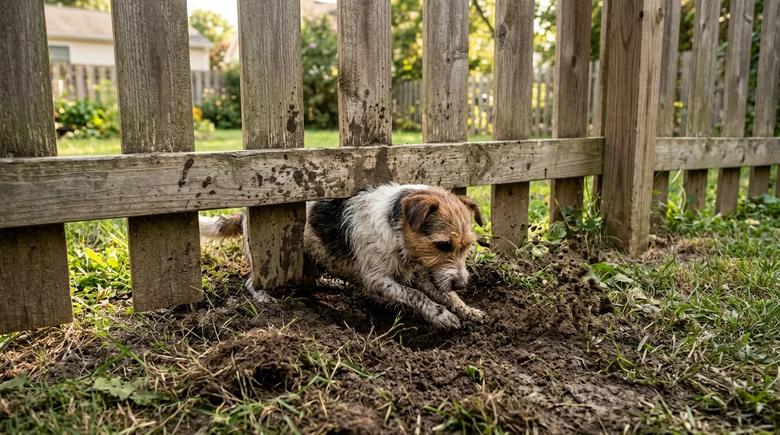
Climb it, dig under it, or walk straight out an open gate. A trained Pet Stop boundary has no top to clear, no bottom to dig beneath, and no gate anyone can leave open.
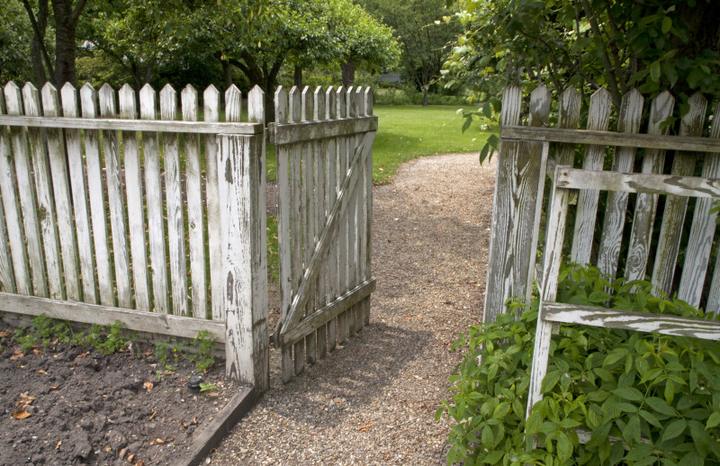
You do not always have to choose. Reinforcing an existing fence is about a quarter of the work we do.

If your fence is fine except that your dog climbs it, digs under it, or shoots through an open gate, you do not need to tear it out. We run a Pet Stop boundary inside the fence line so the dog holds the boundary and the fence keeps doing its job for everything else.
Roughly one in four of our installs does exactly this. It is usually cheaper than replacing or raising a fence, and you keep the barrier that stops the neighbor's dog and the stranger at the gate.
Installed, professionally, here is what fencing runs per foot in 2026. A Pet Stop system typically costs 50 to 75% less, and it can follow your entire property line instead of a smaller boxed-in area.
National averages for professional installation, 2026; actual price depends on terrain, height, and material grade. A physical fence also tends to enclose a smaller area, while a Pet Stop boundary can follow your full property line. Sources: HomeGuide, Angi.
The same comparison in one view. We gave the physical fence the win wherever it genuinely earns it.
| What matters to you | Pet Stop Dog Fence | Traditional Physical Fence |
|---|---|---|
| Upfront cost | Lower | HigherTypically 2 to 4x more |
| Usable yard covered | Full property line | Usually less |
| Stops climbing, digging, gate-bolting | Yes | No |
| Keeps other animals and people out | No | Yes |
| Works on hills, woods, creeks, large lots | Yes | Costly / difficult |
| Multiple zones and indoor boundaries | Yes | No |
| Keeps your view and your yard open | Yes | Blocks view, casts shade |
| Ongoing maintenance | Almost none | Repair, rust, repaint |
| Meets pool-safety code | No | Yes |
| Requires a training period | Yes, about 2 weeks | None |
We come out, look at your yard, meet your dog, and figure out what you are actually trying to solve. Then we tell you straight: whether a Pet Stop system is the right call, whether it makes more sense to reinforce the fence you have, or whether a physical fence is honestly the better fit for you.
We have been doing this in Birmingham since 1994, we have trained nearly 10,000 dogs, and we service every major brand, not just the ones we sell. That is a long time to stay in business by talking people into the wrong thing.
Straight answers to what people ask most when they are weighing a Pet Stop fence against a traditional one.
The estimate is free and there is no pressure. We will tell you what fits, even when that is not us.